_edited.png)
Hunting Food Plots & Trail Mowing in Panama City, FL: Getting Your Land Ready for Hunting Season
If you manage hunting land in Bay County, late September is the point where planning turns into action. Florida's Zone D archery season opens October 24, and the food plots and trails that will actually put deer in front of a stand this fall need several weeks to establish - not a rushed weekend the week before opening day. Hunting food plots and trail mowing are two of the services we get the most calls about heading into fall, and the landowners who start now are the ones walking into October with green plots and clear travel corridors instead of bare dirt and overgrown trails.
What Makes a Hunting Food Plot Work in Bay County
A food plot that actually draws deer starts with the site, not the seed. UF/IFAS Extension recommends plots run at least a half-acre and ideally one to five acres - smaller plots tend to get grazed down before the plants have a chance to establish. Good drainage matters too, since much of Bay County sits on sandy soil that can either drain too fast or, in low spots, hold water long enough to drown young seedlings. Before anything goes in the ground, we pull a soil sample to check pH and nutrient levels, then spray existing vegetation weeks ahead of planting so established weeds and grasses aren't competing with new seedlings for water and nutrients.
Timing It Around Florida's Zone D Season
Bay County falls in Florida Fish and Wildlife's Zone D, where archery season runs October 24 through November 25 this year, general gun season picks up November 26 through February 21, and muzzleloading gun season fills the gaps in early December and late February. That timeline is exactly why food plot prep can't wait until October - cool-season forages need roughly six to eight weeks of growth before they're mature enough to hold up under grazing pressure.
UF/IFAS Extension's cool-season forage guide for North Florida recommends a mix of clovers, cereal grains like oats or rye, and brassicas such as turnips or forage chicory - blended plantings tend to hold up longer and support more species than a single-crop plot. Lime, if a soil test calls for it, needs to go down well ahead of planting since it takes months to adjust soil pH, while fertilizer is timed closer to planting when roots can actually use it.
Trail Mowing: Access Matters As Much As the Plot
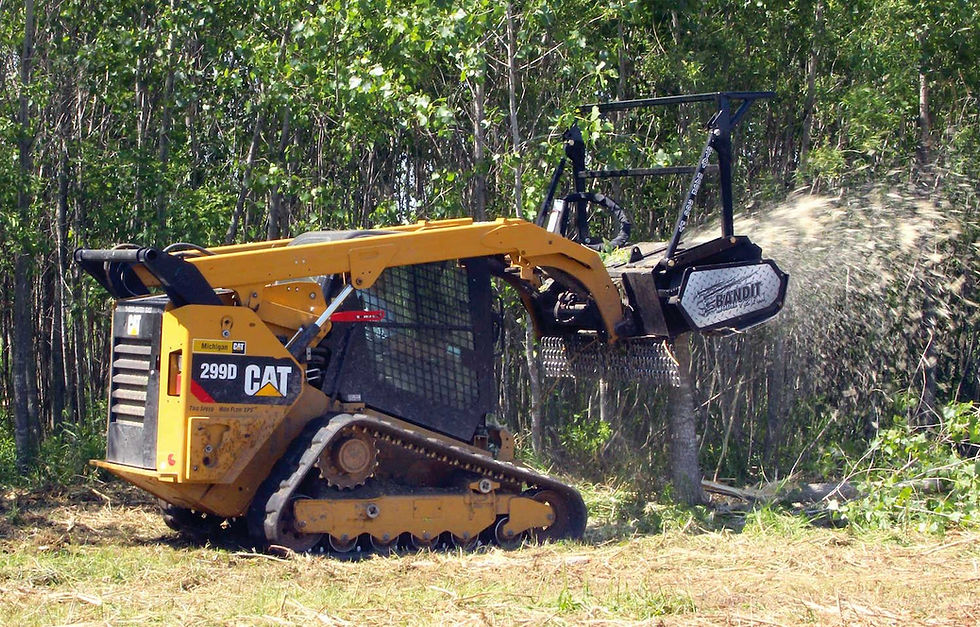
A great food plot does little good if you can't get equipment, a stand, or yourself to it without fighting through waist-high brush. Trail mowing keeps access lanes, shooting lanes, and equipment paths open heading into fall - it also cuts down on ticks and snake encounters along the routes you'll be walking in the dark before daylight. We typically mow trails wide enough for a UTV or tractor and maintain sightlines around stand locations and plot edges, which makes a real difference for both access and visibility once the season opens.
DIY vs. Bringing in a Professional Crew
Plenty of landowners handle food plots and trail mowing themselves, and if you already own a tractor, disc, and sprayer, that's a reasonable approach for a single small plot. Where it gets harder is scale - multiple plots, several miles of trail, or land that hasn't been maintained in a year or two and needs real brush cutting before a mower can even get through it. That's usually when we get the call, since we can combine food plot prep with brush cutting or a broader land clearing pass in the same visit instead of you scheduling separate equipment and separate weekends for each piece.
Frequently Asked Questions
How big should a hunting food plot be?
Most wildlife specialists recommend at least a half-acre, with one to five acres being ideal for attracting and holding deer. Smaller plots often get grazed down to nothing before the plants mature enough to recover.
Is it too late to plant a fall food plot in Bay County?
Not yet, but the window is closing. Cool-season plots planted in late September through mid-October still have time to establish before archery season opens October 24, but waiting much longer risks going into the season with plants that haven't matured enough to hold up under grazing.
Do I need a permit to mow trails or plant a food plot on my property?
Routine trail mowing and food plot planting on private land typically don't require a permit, since they don't involve significant land disturbance. If you're also clearing larger sections of vegetation or altering drainage to create new plots, it's worth confirming with Bay County before starting - we can help you sort out whether a project crosses that line.
Ready to Get Your Land Hunt-Ready?
Our hunting food plots and trail mowing services cover site prep, planting, and trail maintenance timed to Florida's hunting season, and we can pair the work with brush cutting or a land clearing pass if your property needs more than routine upkeep.

We are here to help you!
Phone: 850-691-3343

Comments